
Your Brain on Perimenopause
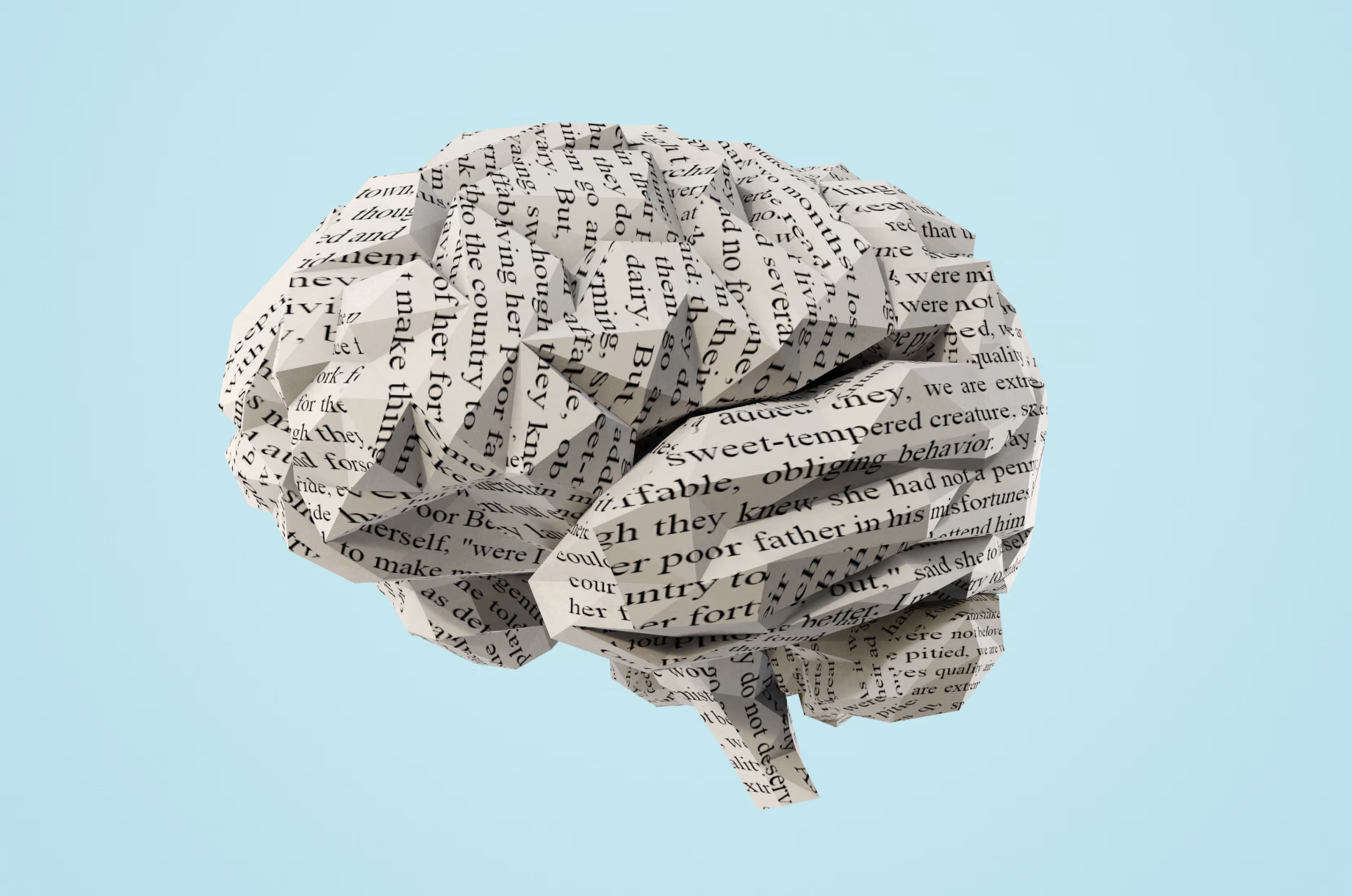
A patient sat across from me recently and said, “I used to run a department. Now I can’t remember why I walked into the kitchen.”
She wasn’t exaggerating, and she wasn’t losing her mind. Her brain was going through one of the biggest hormonal transitions of her life, and nobody had warned her.
For years, we told women this was normal. Brain fog, poor sleep, anxiety, irritability, losing words mid-sentence, walking into a room and forgetting why you were there. It was all lumped into the category of getting older.
But there is more going on.
The Brain Fog Is Real
Brain fog is often one of the first things women notice in perimenopause, and one of the first things they get dismissed about.
Estrogen is not just a reproductive hormone. There are estrogen receptors throughout the brain, including areas involved in memory, attention, mood, and executive function. Estrogen also interacts with neurotransmitters such as serotonin, dopamine, and acetylcholine, all of which influence how we think and feel.
During perimenopause, estrogen does not simply decline. It fluctuates, sometimes dramatically. These changes can begin years before your last period.
For many women, this shows up as difficulty finding words, forgetting why they walked into a room, losing their train of thought, struggling to multitask, or simply feeling slower than they used to.
That can be terrifying when you have always relied on your brain.
For most women, this is not early dementia. Cognitive symptoms are common during the menopause transition and often improve after the hormonal fluctuations of perimenopause settle. But that does not mean you should ignore them.
This is also the time to start taking brain health seriously.
Move your body. Strength train. Get your heart rate up. Protect your sleep. Pay attention to your blood pressure, cholesterol, and blood sugar. Stop pretending that alcohol is helping you sleep when it is usually doing the opposite.
The things that protect your heart also protect your brain.
And if the cognitive changes are significantly interfering with your work or your life, talk to someone about them. Brain fog may be common, but that does not mean you have to white-knuckle your way through it.
When the Things You Used to Manage Become Unmanageable
There is another pattern I see in women in their forties and fifties.
They come in saying, “I think I have ADHD.”
Sometimes they already know they have ADHD, but suddenly the strategies that worked for decades are no longer working. Other women begin recognizing autistic traits they have spent much of their lives masking or compensating for.
Perimenopause did not give you ADHD or make you autistic. But changing hormones may affect the systems that helped you compensate.
Estrogen interacts with dopamine, which plays an important role in attention, motivation, reward, and executive function. When estrogen becomes erratic, some women with ADHD describe a significant worsening of symptoms.
The calendar that used to keep you organized stops working. The interruptions at work become unbearable. You cannot start a task even though you know exactly what needs to be done. You lose things. You forget appointments. You feel overwhelmed by noise, people, or demands that you used to tolerate.
Then comes the shame.
“I used to be able to do this.”
That sentence is important.
You may have been working incredibly hard your entire life to do things that appeared effortless to everyone else.
I am not interested in teaching women to mask better. I am interested in helping them understand their brains.
Sometimes that means an evaluation for ADHD or autism. Sometimes it means medication. Sometimes it means working with a therapist who actually understands neurodivergent adults. Sometimes it means changing your environment, using noise-canceling headphones, building more structure into your day, doing fewer things at once, or finally accepting that the way your brain works is not a personal failure.
For some women, getting the right diagnosis at 45 or 50 changes the story they have been telling themselves their entire lives.
Sleep Is Not Optional
Sleep deserves its own conversation because poor sleep makes almost everything else worse.
Women often start sleeping differently during perimenopause. They may have trouble falling asleep, wake repeatedly, wake at 3 a.m. and stare at the ceiling, or sleep for eight hours and still feel exhausted.
Hormonal changes can contribute. Hot flashes and night sweats certainly do. Mood changes, stress, restless legs, medications, alcohol, and sleep apnea can all be part of the picture too.
Then add everything many women are carrying at this age. Careers. Children. Relationships. Aging parents. Financial stress. A body that suddenly seems to have its own agenda.
Poor sleep makes brain fog worse. It affects mood, appetite, insulin sensitivity, and cardiovascular health. It makes exercise harder and alcohol more tempting. Then the glass of wine that was supposed to help you relax fragments your sleep even more.
This is why I treat sleep as a clinical issue, not a lifestyle luxury.
Start with the basics because they really do matter. Keep your bedroom cool and dark. Try to keep a consistent sleep and wake time. Get outside in the morning. Move your body during the day. Cut back on alcohol. Stop drinking caffeine late in the day.
But do not let anyone tell you to simply improve your “sleep hygiene” if you are waking up drenched in sweat five times a night.
Treat the thing that is waking you up.
For some women, treating hot flashes with menopausal hormone therapy dramatically improves sleep. There are also effective nonhormonal treatments. The right answer depends on the woman in front of me, her symptoms, her medical history, her risks, and what she wants.
And if you are snoring, waking frequently, having morning headaches, or exhausted despite spending enough time in bed, ask about sleep apnea. Women are underdiagnosed, and the risk increases through and after the menopause transition.
Your Brain Is Part of Your Menopause Care
Menopause care is not just about stopping hot flashes.
I want women thinking about the brain they want to have at 70 and 80 while they are still in their forties and fifties.
That means protecting sleep. Moving your body. Building muscle. Paying attention to cardiovascular and metabolic health. Drinking less alcohol. Treating depression and anxiety when they are present. Getting evaluated when attention or executive function suddenly becomes unmanageable. Staying socially connected. Continuing to learn things that challenge your brain.
Hormones may be part of the conversation, but they are not the entire conversation.
This is the work of building vitality before you desperately need it.
