
Why Can't I Sleep Anymore? Sleep, Hormones, and What Actually Helps
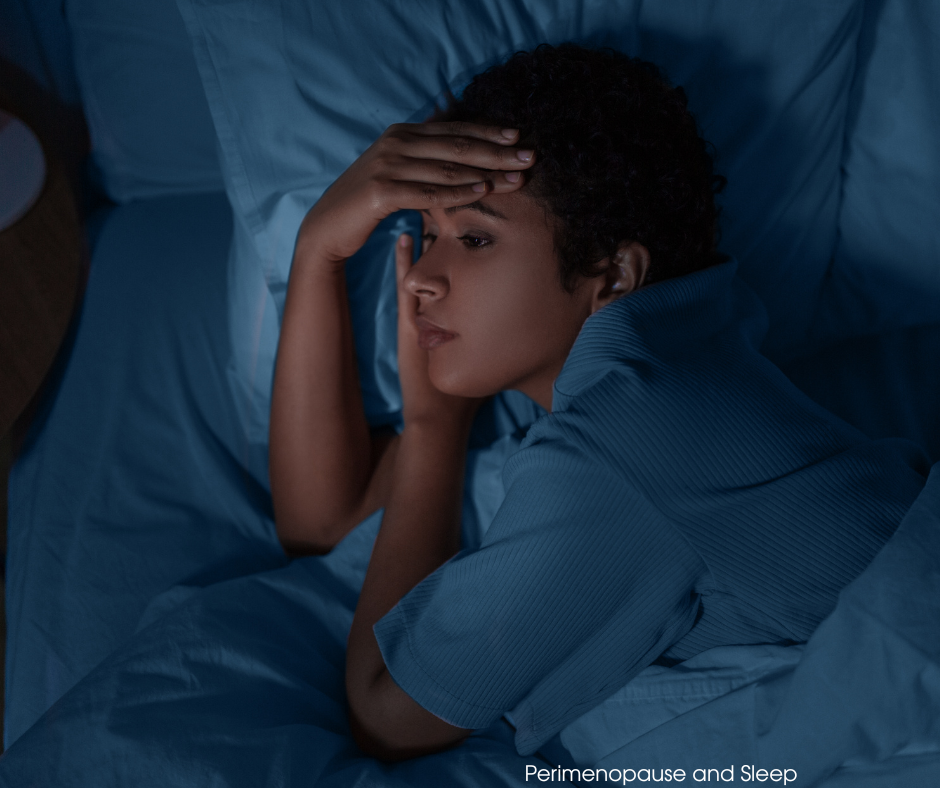
Woman lying awake in bed
“I used to be such a good sleeper. Now I wake up at 3:00 in the morning and I'm just...awake.”
Sometimes falling asleep is the problem. Sometimes they fall asleep easily and wake up two or three hours later, suddenly alert for no obvious reason. Some wake up hot or sweaty. Others wake up anxious, with their brain immediately producing a list of everything they need to do, everything they forgot to do, and several things they haven't worried about since 2007.
Then there is the cruelest part. The harder you try to sleep, the harder sleeping becomes.
Sleep problems are incredibly common during the menopause transition, but I don't want women to simply accept years of poor sleep as another miserable thing they have to endure. Sleep affects almost everything else we are trying to protect in midlife. Your mood, memory, appetite, insulin sensitivity, cardiovascular health, immune system, pain tolerance, sexual desire, and ability to cope with stress all depend on adequate sleep.
And there is quite a bit we can do about it.
Why Sleep Changes in Perimenopause
Hormones are certainly part of the story, but they aren't the whole story.
Estrogen interacts with systems involved in temperature regulation, mood, and sleep. As estrogen becomes more erratic during perimenopause, your internal thermostat can become less stable. Sometimes you wake up drenched in sweat. Sometimes the temperature change is subtle enough that you don't consciously recognize a hot flash, but your brain wakes up anyway.
Progesterone is changing too. Progesterone and one of its metabolites, allopregnanolone, interact with GABA receptors in the brain. GABA is one of our major calming neurotransmitters. This is one reason progesterone can make some women sleepy and why oral micronized progesterone taken at night can improve sleep for some women.
Then there is everything else happening in your 40s and 50s. Stress. Aging parents. Work. Relationships. Teenagers or adult children. Alcohol. Pain. Anxiety. ADHD. Restless legs. Sleep apnea. Medications. A bladder that suddenly thinks 3:00 AM is an appropriate time to have needs.
So when someone tells me she isn't sleeping, I don't automatically hand her a sleep medication. I want to know why.
First, Figure Out What Kind of Sleep Problem You Have
“I don't sleep well” can mean very different things.
Do you have trouble falling asleep? Do you wake repeatedly? Are you waking because you're hot? Are you waking to urinate? Do your legs feel restless? Do you snore? Do you wake up gasping? Do you sleep for eight hours and still feel exhausted? Are you waking at 3:00 AM with your brain fully turned on?
If hot flashes are waking you, we need to treat the hot flashes. If sleep apnea is the problem, magnesium won't fix it. If restless legs are keeping you awake, I want to think about iron deficiency and check a ferritin. If anxiety is driving the insomnia, we need to address that. And if you have developed chronic insomnia, we need to work with the relationship your brain has developed with sleep itself.
Sleep Hygiene Is Important, But It Isn't a Treatment for Everything
Most people with insomnia have already heard the basic advice. Keep your bedroom cool and dark. Don't drink caffeine late in the day. Put your phone away. Go to bed at the same time.
Those things matter, but telling someone with chronic insomnia to practice better sleep hygiene can feel a little like telling someone with depression to get more fresh air.
I care much more about a few specific habits that actually influence your circadian rhythm and sleep drive.
Start with your wake time. Your brain likes consistency, and getting up at roughly the same time every morning can be more important than forcing yourself into bed at the same time every night.
Get outside. Morning light tells your brain that the day has begun and helps set the clock that determines when melatonin will rise later that evening. I recommend 10 minutes of outside time every morning. 20 minutes is better, but that is harder to commit to. Windows hide the important rays, so you really need to be outside. It doesn’t matter if it is cloudy; just get outside!
Move your body during the day. Exercise improves sleep, and strength training counts. Just pay attention to how late exercise affects you personally. Some people can exercise vigorously at 8:00 PM and sleep beautifully. Others are wired for hours afterward.
Dim the lights in the evening. Your brain doesn't know that the bright light in your bathroom or the tiny glowing rectangle six inches from your face isn't the sun. You don't necessarily need to ban screens after sunset, but reducing bright light and stimulation before bed can help your brain understand that the day is ending.
And keep your bedroom cool. This becomes particularly important during menopause because falling asleep normally involves a drop in core body temperature. If you're already fighting vasomotor symptoms, a hot bedroom isn't helping.
Stop Trying So Hard to Sleep
CBT-I is incredibly useful.
CBT-I stands for cognitive behavioral therapy for insomnia, and it is one of the most effective treatments we have for chronic insomnia. I wish more people were offered it before being prescribed sleeping pills.
One of the things that happens with chronic insomnia is that your brain starts associating the bed with being awake. You get into bed and immediately wonder whether you're going to sleep. You look at the clock. You calculate how many hours are left before morning. You think, “If I fall asleep right now, I can still get five hours.” Then four hours. Then three.
Your bed has gone from being a cue for sleep to being a place where you worry about sleep.
CBT-I works on changing that association. It uses strategies such as stimulus control, adjusting the amount of time spent in bed, working with anxious thoughts about sleep, and strengthening the connection between bed and sleeping.
One of the simplest concepts is this: don't spend long periods lying awake in bed fighting with yourself. If you're clearly awake and getting frustrated, get up. Keep the lights low. Do something quiet and boring. Go back to bed when you actually feel sleepy.
Another CBT-I strategy involves temporarily reducing the amount of time you spend in bed so that your sleep becomes more consolidated. This is sometimes called sleep restriction, although I prefer to think of it as sleep compression. It can be very effective, but I recommend doing it with guidance, especially if you have bipolar disorder, epilepsy, significant daytime sleepiness, or another condition where sleep loss could be risky.
The goal isn't to become better at forcing yourself to sleep.
The goal is to help your brain remember how to sleep.
What About Magnesium?
This is usually the first supplement people ask me about.
Magnesium can be helpful, particularly if your dietary intake is low, but it isn't a miracle treatment for insomnia. The evidence for magnesium as a sleep aid is modest. I tend to use magnesium glycinate because it is generally well tolerated and less likely to cause diarrhea than some other forms.
For someone who wants to try it, I commonly use around 200 to 400 mg of elemental magnesium in the evening, depending on the person and what else they are taking. More is not necessarily better, and people with significant kidney disease should talk with their clinician before supplementing magnesium.
If magnesium helps you relax and sleep better, great. If you have been taking it for six months and you're still staring at the ceiling at 3:00 AM, we need another plan.
Melatonin Is Often Used Incorrectly
Melatonin is another supplement where I frequently see people taking much more than they need.
Melatonin isn't really a sedative. It is a hormone that helps signal darkness and timing to your brain. That means when you take it can matter as much as how much you take.
For many people, a low dose is enough. I often prefer something closer to 0.3 to 1 mg rather than automatically reaching for 5 or 10 mg. Higher doses can leave some people groggy, give them vivid dreams, or simply provide no additional benefit.
Melatonin can be particularly useful when the problem involves circadian timing, jet lag, or a sleep schedule that has shifted later. It may also help some people fall asleep a little faster, but it isn't my favorite answer for someone whose primary problem is waking repeatedly throughout the night.
Other Supplements I Consider
There are several supplements marketed for sleep, and this is an area where marketing gets ahead of the evidence very quickly.
Glycine has some small studies suggesting that taking about 3 grams before bed may improve subjective sleep quality and next-day alertness. L-theanine may help with relaxation and anxiety for some people, although the evidence for treating insomnia itself isn't particularly strong.
I am more cautious about combining multiple sedating herbs and supplements into a giant nighttime cocktail. If you take magnesium, melatonin, valerian, ashwagandha, CBD, antihistamines, and three other things every night and still can't sleep, the answer probably isn't adding supplement number nine.
I would rather identify what is waking you.
Progesterone Can Be a Sleep Tool
For women in perimenopause and menopause, progesterone deserves a separate conversation.
Oral micronized progesterone can be sedating because of the way its metabolites interact with GABA receptors in the brain. Some women tell me they sleep better almost immediately after starting it. This is one reason I generally have patients take oral progesterone at bedtime.
The effect isn't universal. Some women feel wonderfully calm and sleepy. Others feel groggy the next morning, dizzy, depressed, anxious, or simply don't like how they feel on it. Hormones are not one size fits all.
Progesterone also has an important medical role for women with a uterus who are using systemic estrogen. In that situation, adequate progestogen is generally needed to protect the endometrium. So sometimes we can accomplish two things at once: provide necessary endometrial protection and improve sleep.
But I don't prescribe progesterone simply because someone can't sleep without looking at the rest of the picture.
Sometimes Estrogen Is Actually the Sleep Treatment
If you're waking six times a night because you're having hot flashes, treating the hot flashes may be far more effective than taking something that sedates you through them.
For an appropriate candidate, menopausal hormone therapy can improve sleep when vasomotor symptoms are disrupting it. Sometimes women don't even realize that temperature instability is waking them. They just know they suddenly started sleeping terribly at 46.
This is why I don't separate sleep from the rest of the menopause conversation. If your insomnia appeared around the same time as irregular periods, hot flashes, night sweats, mood changes, vaginal changes, or other symptoms of perimenopause, hormones deserve to be part of the discussion.
Alcohol Is Not Helping as Much as You Think
Alcohol is tricky because it can make you sleepy.
That makes it feel like it helps with sleep, particularly if you have a glass of wine in the evening and notice yourself relaxing. But sedation isn't the same thing as healthy sleep. As alcohol is metabolized, sleep becomes more fragmented, and you may wake more during the second half of the night.
This becomes especially obvious during perimenopause. Women will tell me, “I can fall asleep after wine, but I wake up at 2:00 or 3:00 and can't get back to sleep.”
If that is your pattern, try taking alcohol out for a couple of weeks and see what happens. You don't need to make it a moral issue. Treat it like an experiment.
Don't Forget Sleep Apnea
This one is important because sleep apnea in women is often missed.
You don't have to be an older man with a large body who snores loudly to have sleep apnea. Women may present with insomnia, fatigue, headaches, mood changes, frequent nighttime urination, or simply feeling unrefreshed despite spending enough time in bed.
Risk increases after menopause, and if you snore, wake gasping, have witnessed pauses in breathing, significant daytime sleepiness, resistant hypertension, or consistently wake feeling terrible, I want sleep apnea considered before we keep adding things to make you sleep more deeply.
Sedating someone who isn't breathing well during sleep isn't the solution.
Sleeping Pills Have a Place, But They Aren't My First Answer
There are times when medication is appropriate. Sometimes someone is in an acute crisis and desperately needs sleep. Sometimes CBT-I, hormone treatment, and behavioral changes aren't enough. There are also newer medications for insomnia that work differently from older sedative medications.
But I don't want medication to become the only strategy without understanding what is driving the insomnia.
Diphenhydramine and other sedating antihistamines are especially common because they're available over the counter. They aren't medications I love for chronic nightly use. Tolerance develops, they can cause next-day grogginess, and their anticholinergic effects become more concerning as we age.
The same principle applies to prescription sleep medications. The question isn't simply, “What will knock me out?”
The better question is, “What is keeping my brain from sleeping?”
Your 3:00 AM Brain Is Not a Reliable Life Coach
There is one final piece I tell patients all the time.
Do not solve your life at 3:00 in the morning.
Everything feels more catastrophic when you are lying awake in the dark. Your relationship is doomed. Your business is failing. Your children are making terrible decisions. You definitely said something embarrassing at dinner six years ago.
None of this needs to be addressed right now.
Sometimes I keep paper near the bed so that if my brain insists something is important, I can write it down. That tells my brain, “Fine, we won't forget it.” Then I can come back to it in daylight.
Sleep requires a certain amount of surrender. You can't command it. You can create the conditions for it, treat the things interfering with it, and teach your brain that your bed is a safe place to stop paying attention for a while.
And if you suddenly stopped sleeping well in your 40s or 50s, don't let anyone tell you this is simply what happens when women get older.
There may be a reason.
And once we understand the reason, we can usually do much more than tell you to put your phone away and take some magnesium.
