
A Physician's Guide to Vibrators: What Actually Works and Why

Relate.org.uk campaign for later life sex
Let's start with the basics, because most women were never given them.
Vibrators fall into two broad categories: those designed for internal use and those designed for external stimulation. Many women receive well-meaning gifts of internal vibrators from partners who assume that what women want is essentially a penis that never stops. But since the majority of women cannot reach orgasm without clitoral stimulation, what most women actually need is external vibration. This is not a preference. It is anatomy.
Bullet Vibrators
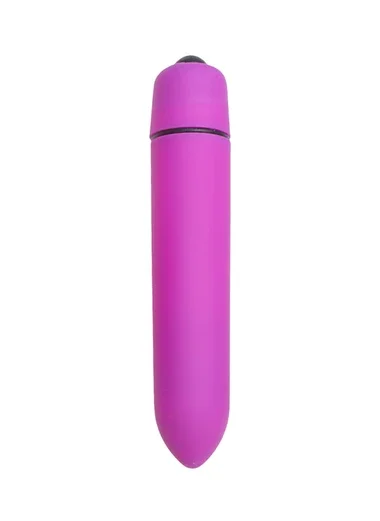
Pink bullet vibrator
Small, powerful, and discreet, bullet vibrators are designed to be held directly on the clitoral hood or clitoris. They are inexpensive, easy to travel with, and work equally well solo or during partnered sex. Many women prefer to be in control of their own clitoral stimulation during intercourse, and a bullet vibrator makes that straightforward. The only real downside is that they have a talent for disappearing into bedsheets at the worst possible moment. They range from budget-friendly options on Amazon to more refined versions from brands like Lelo.
Wand Vibrators
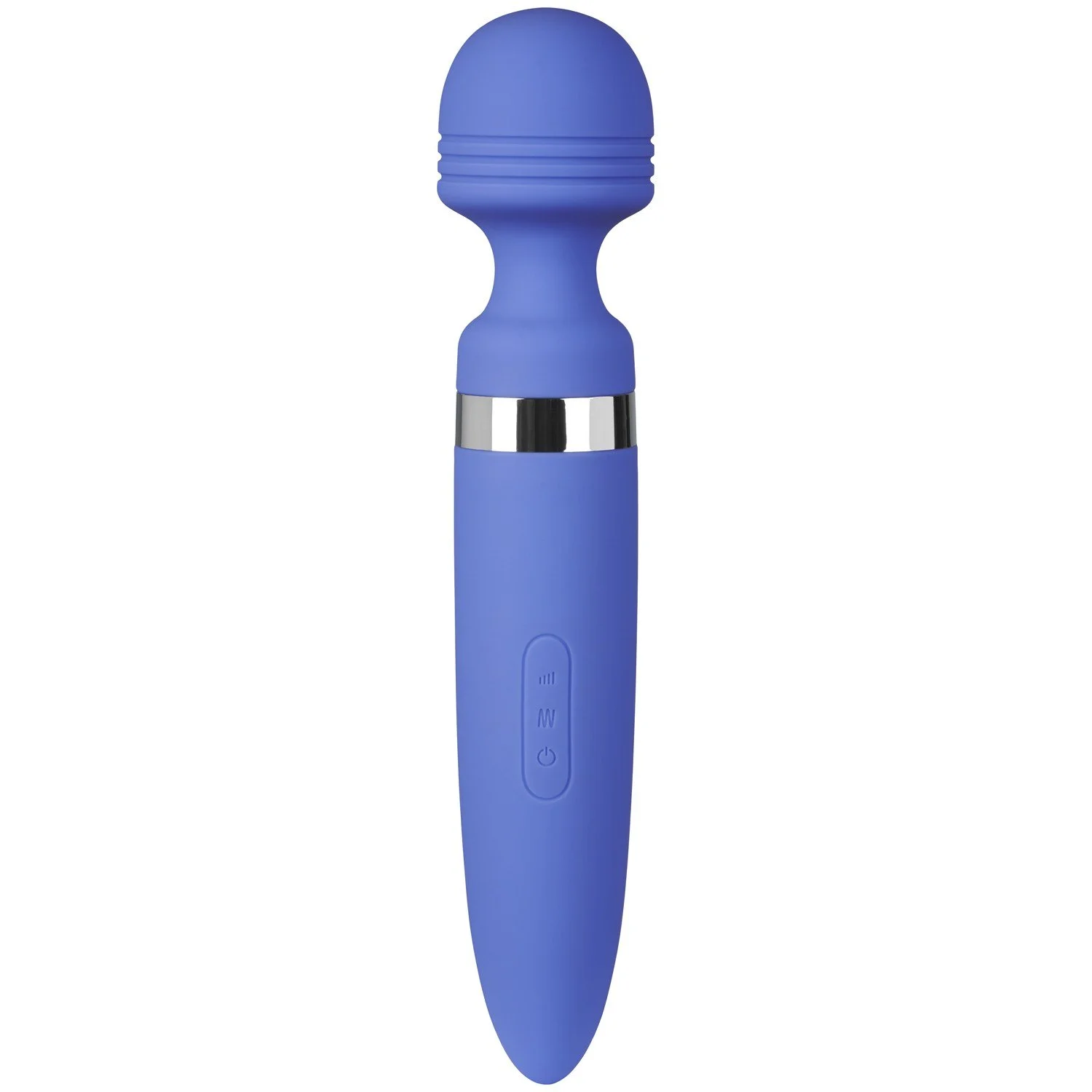
Blue wand vibrator
Wands have long handles and large, rounded heads, which means precision is not required. They are also the most powerful vibrators available, which for some women is exactly right and for others is genuinely too much. This is personal physiology, not failure.
The wand has an interesting history. The Hitachi Magic Wand was introduced in the 1960s as a muscle massager. Betty Dodson brought it into her masturbation workshops and the rest, as they say, is history. Hitachi spent years selling millions of units while maintaining that its product was intended for sore backs and shoulders, which was technically true but completely beside the point. They eventually removed their name and it was rebranded as the Magic Wand Original. The clitorises of America remained unbothered.
Wands are also the vibrators most commonly used therapeutically in pelvic floor physical therapy and sexual medicine, which is worth knowing when someone suggests that vibrators are anything other than a legitimate tool for women's health.
Suction and Sonic Vibrators: The Technology That Changed Everything
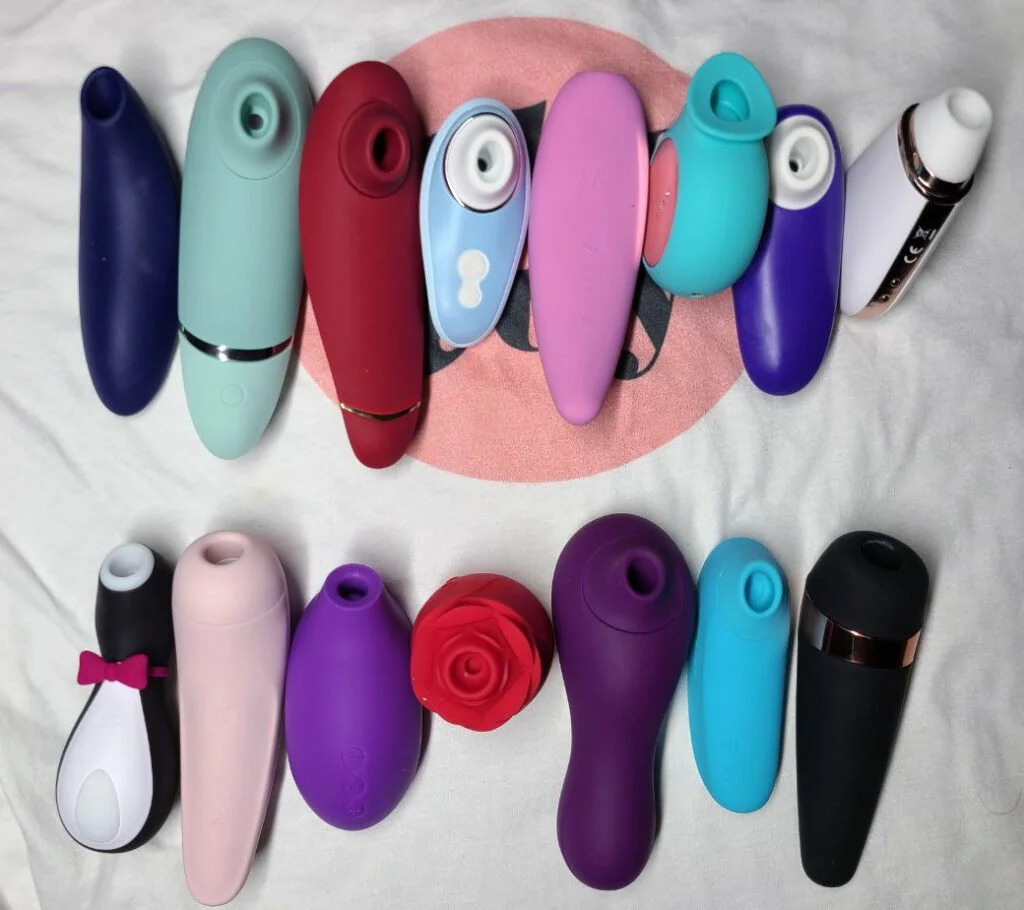
Various suction vibrators of different colors, shapes, and sizes.
If there is one category that genuinely shifted what women understood was possible, it is suction and sonic stimulation. Brands like Womanizer and Satisfyer pioneered a technology that uses gentle air pulses rather than direct vibration, creating a sensation that many women describe as unlike anything they had experienced before. Rather than stimulating the surface of the clitoris, these devices create a contactless suction effect around the clitoral hood that activates deeper nerve endings, including those small C fibers we discussed earlier, without the overstimulation that some women find overwhelming with traditional vibrators.
For women who have always found direct clitoral contact too intense, or who have experienced decreased sensitivity with age and find that regular vibration no longer provides enough sensation, suction technology often lands differently than anything that came before it. Clinical anecdote, but I hear this regularly: women who had not had an orgasm in years discover that this is the tool that works. That is not a small thing.
The rose-shaped vibrators that went viral across social media a few years ago are essentially a more affordable, widely accessible version of this same suction technology. They are not as precisely engineered as a Womanizer, but they work on the same principle and have introduced an entirely new generation of women to what their bodies are actually capable of. I have complicated feelings about a medical device going viral on TikTok, but if the outcome is women understanding their own anatomy better, I will take it.
Satisfyer deserves its own mention because it did something important: it made sophisticated suction technology available at a price point that almost anyone can access. Where the Womanizer can run well over a hundred dollars, Satisfyer offers comparable technology starting under thirty. The quality varies across their product line, but the best of their devices rival far more expensive options. This matters because access to tools that support sexual health and pleasure should not be a luxury, and for a long time it was.
Rabbit Vibrators
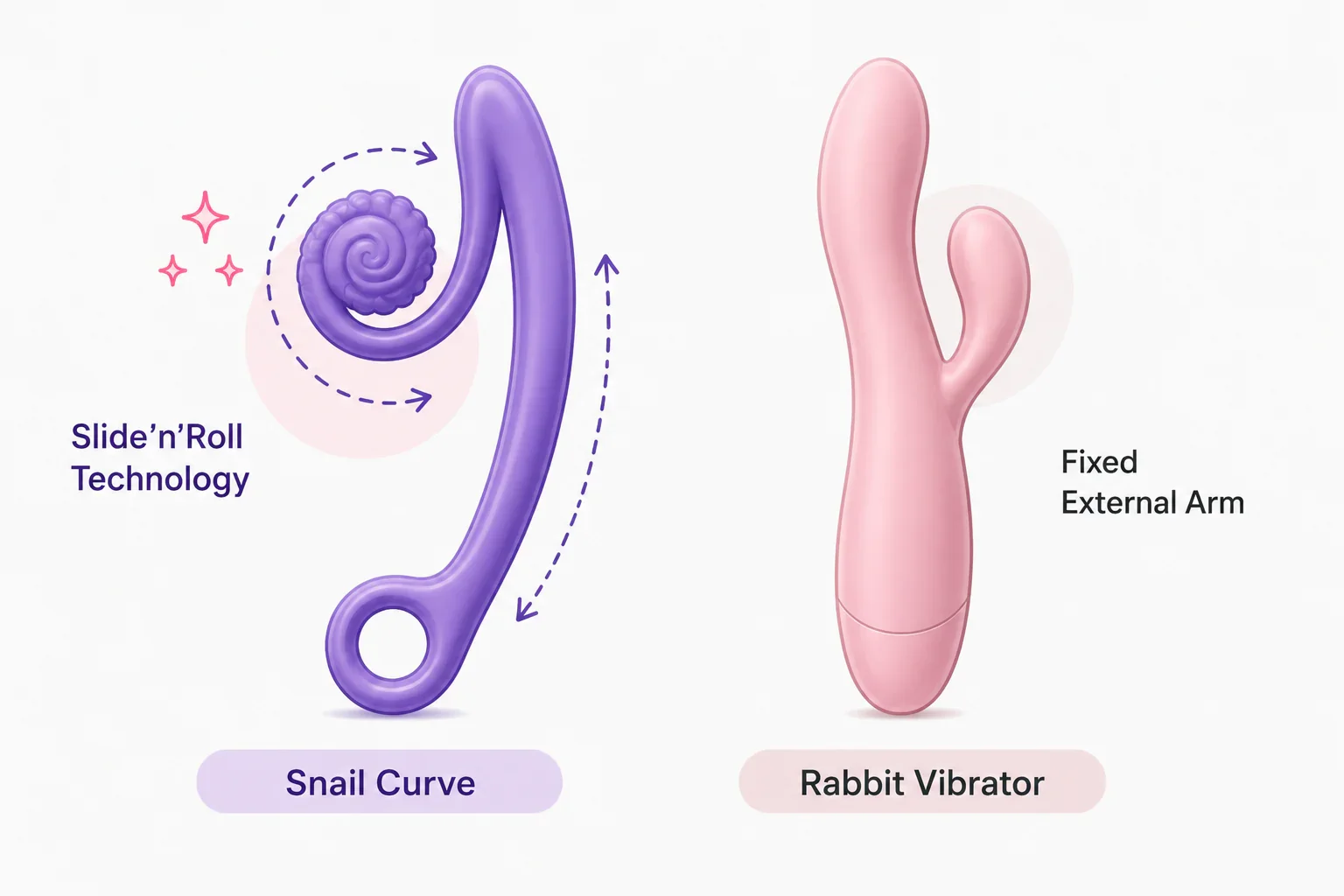
Purple Snail Curve compared to pink Rabbit vibrator
Combine internal fullness with clitoral stimulation and you have what became known as the rabbit vibrator, a dual-action device that earned its cultural moment on Sex and the City and, in doing so, did more to normalize vibrator use than almost anything before or since. The original rabbit design included ears, a nose, and occasionally an entire animal face. This was not whimsy. According to multiple historical sources, including the Sexual Health Alliance and the Science Museum Group, Vibratex, a Japanese company, began producing animal-shaped vibrators in 1983 specifically to circumvent Japan's obscenity laws, which prohibited the manufacture of anatomically shaped sex toys. An animal-shaped vibrating toy could be legally marketed as exactly that. The Rabbit launched in 1984 and became the most iconic sex toy in history, a title it has held ever since. Today, most rabbit-style vibrators have quietly retired the nose and ears and kept everything that actually matters.
The fundamental flaw of most rabbit designs is that the clitoral stimulator loses contact with every movement. What promises simultaneous stimulation often delivers a frustrating game of constant manual correction.
The Snail Curve solves this with what its designers call Slide and Roll technology. The shell-shaped head unrolls and moves with the body rather than staying fixed, maintaining clitoral contact continuously without adjustment. Its dual motors provide genuine simultaneous stimulation, and because the contact is sustained rather than intermittent, the nervous system gets the consistent input it needs to actually build toward orgasm.
For women navigating decreased sensitivity or longer arousal times in midlife, that reliability is not a small thing. It is the difference between a toy that works and one that lives in a drawer.
Wearables
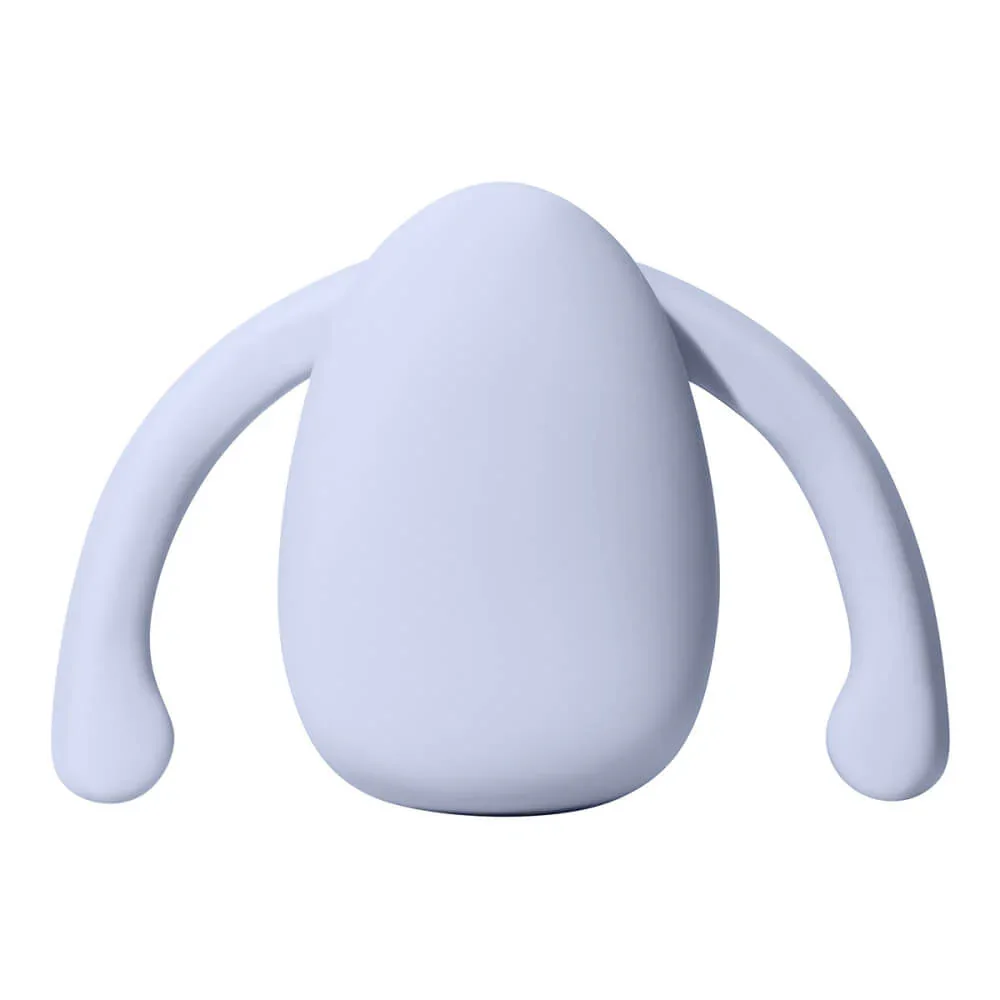
Dame Eva wearable vibrator
Wearable vibrators have expanded significantly in recent years. The Dame Eva slips inside the labia and stays in place without hands. The We-Vibe Moxie is worn inside underwear and controlled via smartphone app. I will leave the social implications of that last one to your imagination, but if you notice someone smiling inexplicably at a dinner party while their partner has their phone out, you now have context.
Wearables are genuinely innovative, but they require more trial and error than other options and are probably not the best starting point for someone new to vibrators.
Discreet Options
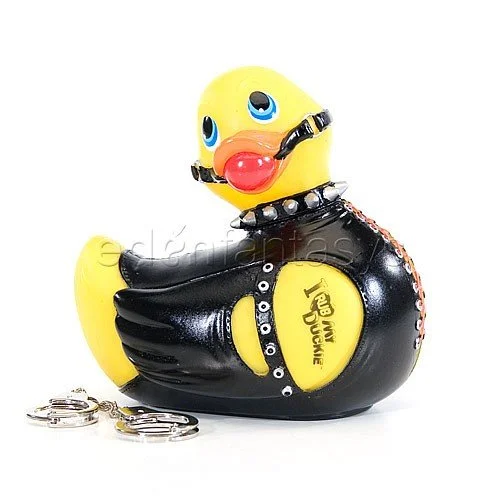
Bondage Rubber Duckie
If privacy matters to you, the market has thought of everything. There are vibrators designed to sit on a makeup table beside your lipstick without raising any questions. There is a rubber duck that hangs out by the loofah in your bathtub, waterproof and completely unsuspicious until you notice the tail. And there is the Crave vibrator necklace, a genuinely attractive pendant with a USB charger that comes in silver, gold, and black. It is not the most powerful vibrator ever made, but it works well enough and doubles as jewelry that people will actually compliment. For years it has been my default gift for birthdays, divorces, and significant life transitions. It is always appreciated.
Couples Vibrators
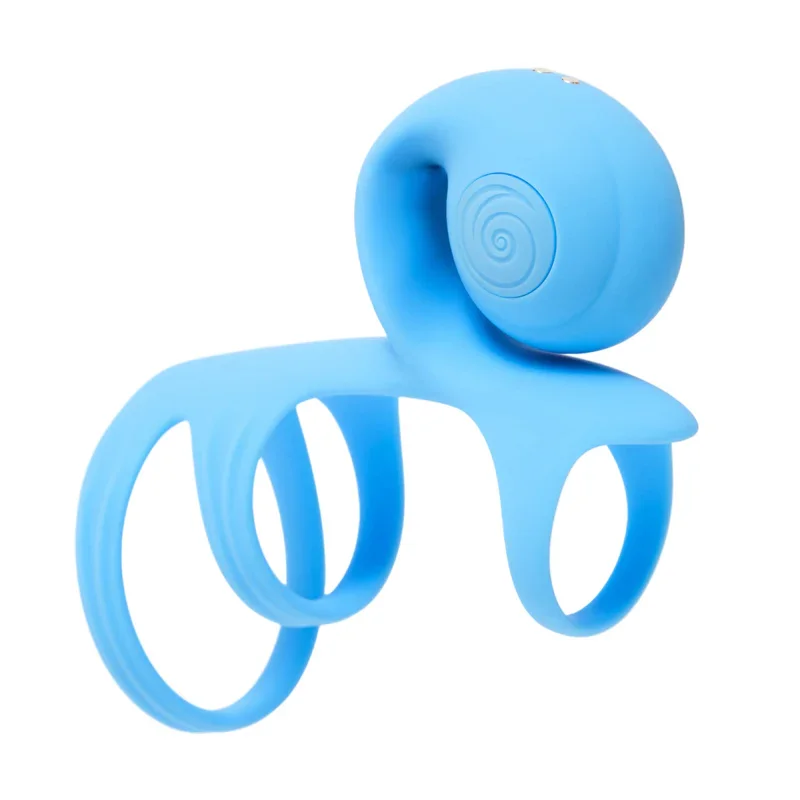
Blue S-Vibe Jovi Arc Couples vibrator
While any vibrator can be used with a partner, some are specifically designed for partnered sex. The We-Vibe is a U-shaped device with one branch inside the vagina and the other positioned over the clitoris, leaving room for a partner during intercourse. For partners who want something even simpler, a finger vibrator worn by either partner solves the problem elegantly and inexpensively.
The Jovi Arc rethinks what a cock ring is supposed to do. Rather than relying on tight constriction, its contoured arc supports the shaft to help maintain stronger, longer-lasting erections with greater comfort. The curved design stays in consistent contact with the clitoris during penetration, so both partners receive stimulation simultaneously. For couples navigating the orgasm gap, that is not a small design detail. It is the whole point.
Vibrators for Queer Couples and Gender-Diverse Bodies
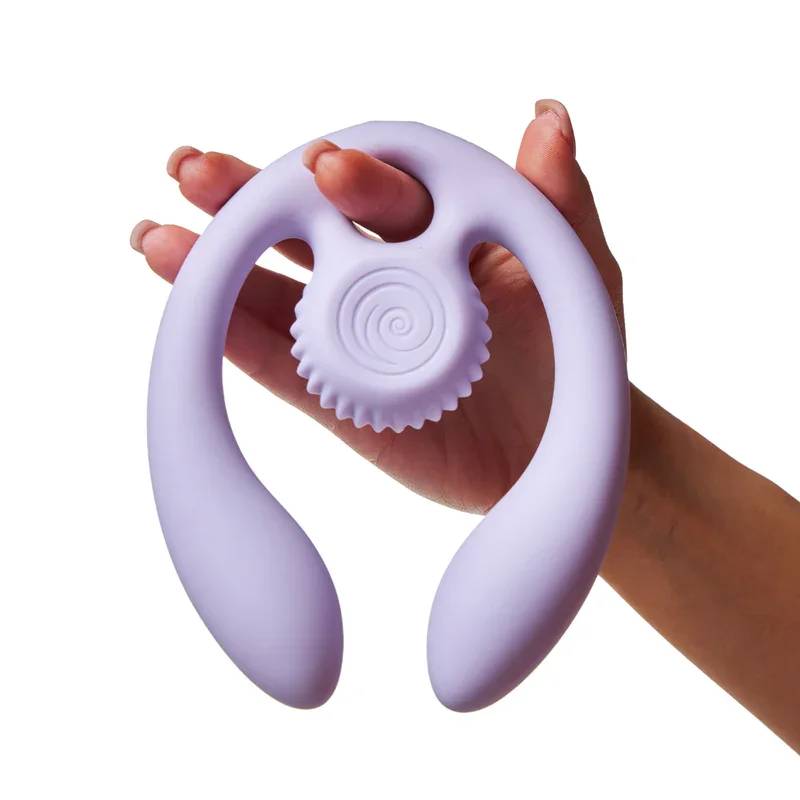
Snail Gizi-Duo for couples
The vibrator market has historically been designed with a very narrow user in mind. That is changing, and the change is both medically relevant and culturally overdue.
For queer women and lesbian couples, several categories are worth knowing about. Double-ended dildos and vibrators allow for simultaneous penetration without requiring a harness, and brands like Fun Factory have designed them with genuine attention to comfort and function for two bodies. Strapless strap-ons, most notably the Fun Factory Share, use a bulb held internally by one partner with the external portion used for penetration, eliminating the need for a harness entirely. These require a reasonably strong pelvic floor to hold in place, which is its own good reason to know your pelvic floor health.
Strap-on harnesses with interchangeable dildos give couples significantly more flexibility in terms of size, shape, and sensation. For partners who want to incorporate vibration into penetrative play, many harnesses now accommodate bullet vibrators in a small pocket positioned over the wearer's clitoris, so both partners receive stimulation simultaneously.
For transgender women, nonbinary people, and anyone navigating sexuality alongside gender-affirming care, the vibrator conversation intersects with hormone therapy in ways worth acknowledging. Estrogen-based hormone therapy changes genital tissue sensitivity and response over time, often in ways that parallel what cisgender women experience during menopause. The same principles apply: reduced microcirculation, changes in nerve sensitivity, and the potential therapeutic value of vibration for maintaining tissue health and sexual function. Good sexual medicine does not stop at binary categories, and neither should the tools we recommend.
For transmasculine individuals and nonbinary people using testosterone, clitoral tissue often enlarges and sensitivity changes significantly. Vibrators that work well for this anatomy are the same ones that work well for any clitoris: suction devices, wand vibrators for broad stimulation, and bullets for precision. The anatomy has simply changed in ways that may make some approaches more effective than others, and that is worth discussing openly with a provider who will not flinch at the conversation.
Materials
What distinguishes the better brands in this space is their use of body-safe materials, specifically medical-grade silicone that is non-porous, phthalate-free, and easy to clean. This is not a minor detail. Porous materials harbor bacteria. For women already managing genitourinary health concerns, tissue sensitivity, or a history of recurrent infections, the material composition of what touches your vulva matters as much as the mechanism.
Where to Shop

She Bop, in Portland, Oregon
You do not need to locate a questionable storefront or order anything in a brown paper bag. Vibrators are available at most major drugstores, at dedicated retailers like She Bop here in Portland, Good Vibrations, and Babeland, and on Amazon, where overnight discreet delivery is entirely standard. The stigma around purchasing these tools is cultural, not rational. They are healthcare. Shop accordingly.
A Final Note on All of This
The vibrator market is vast, occasionally overwhelming, and still imperfectly regulated in terms of material safety standards. My practical advice is this: prioritize medical-grade silicone, buy from reputable brands, and ignore the marketing language around anything that promises to cure, heal, or fix your sexuality. Vibrators are tools. Good tools, evidence-supported tools, tools that belong in a conversation about women's health without apology.
But they are not magic. They work best alongside honest communication, appropriate hormone support when indicated, pelvic floor health, and the broader ecosystem of care that actually keeps women well.
Your body is not broken. It is changing. And there are tools designed to meet it exactly where it is.
